
I don’t enjoy buying unnecessary stuff for my kids, so I wondered if I needed a toddler carrier for travel, or if I should just continue to carry my toddler in the baby carrier for travel I already own. I can now speak from experience when I say, if you still carry your toddler frequently you will appreciate buying an appropriate toddler carrier for travel. They are wider and taller than baby carriers, making it more comfortable for both you and your toddler.
I’ve had plenty of experience with baby and toddler carriers over the years. I have used a Baby K’Tan, Ergo Original, Ergo Performance Original (with & without the infant insert), Onya Baby Nexstep, LÍLLÉbaby CarryOn Toddler Carrier, Deuter Kid Comfort III, and the Piggyback Rider. I have also rented a Kelty backpack carrier, but I’m unsure the model. We’ve used our toddler carriers for around the house, hiking, city sightseeing and everything in between.
What I love most about traveling with a toddler carrier is that I can bring it along just in case my toddler gets tired. I let him walk when he has the energy, but it’s also super easy to throw him up on my back when he gets tired.
Two of the best toddler carriers for travel below even have a maximum weight that goes to 60+ lbs! So even though it seems like you might not get as much use out of a toddler travel carrier, with a max weight that high you still have plenty of time to get good use from your toddler carrier!

This post contains compensated links.
Best Toddler Travel Carriers
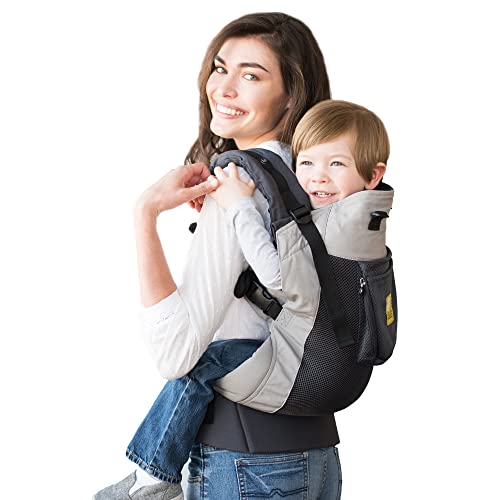
The LÍLLÉbaby CarryOn Airflow is my personal favorite toddler carrier for travel and the one I used when my kids grew out of standard baby carriers. The CarryOn Airflow has a wider, taller panel that actually fits bigger toddlers and preschoolers, with an ergonomic seat designed for 25- 60 lbs that keeps hips in a safe, supported position.
The airy mesh helps on hot city days, airport connections, and longer walks, while the lumbar support and padded straps make a real difference when you are carrying a 2, 3, or even 4 year old.
I like that I can use the LÍLLÉbaby CarryOn Airflow on my front or back, adjust it quickly between my partner and I, and still pack it into a day bag so I am never stuck when lmy toddler wants to be carried.
For parents searching for the best toddler carrier for travel, planes, airports, and sightseeing, the LÍLLÉbaby CarryOn Airflow is the one I recommend first.
- Comfortable panel for larger toddlers and preschoolers
- Supportive lumbar belt for longer carries
- Breathable mesh for warm weather and travel days
- Multiple carry positions for flexibility
- Well established brand with safety conscious design
- Too big for very small toddlers under about 18 - 24 months
- Bulky under a backpack or thick coat


The Baby Tula Carrier has long been a favorite in the babywearing world and the toddler version deserves its spot on my list of the best toddler carriers for travel. The Toddler Tula Carrier is designed specifically for 25 - 60 lbs with a tall, supportive panel, wide ergonomic seat and padded waistband that makes carrying a 2, 3 or 4 year old feel secure instead of precarious.
I like the Toddler Tula Carrier for city breaks, airports, nap transfers and theme parks where you want something comfortable, supportive and a bit more fun than a purely technical carrier, especially with the range of prints and the option for breathable mesh.
The simple buckle design is easy to adjust between caregivers and the hood is helpful for naps or extra sun coverage. If you already love Tula from the baby stage and need a true toddler upgrade, this is an easy yes.
- Genuinely tall and wide for bigger toddlers
- Comfortable waistband and shoulder padding
- Fun prints and neutral options to suit different styles
- Mesh options available for warm climates
- Simple, familiar fit for existing Tula users
- No infant option so it is toddler-only
- Less structured than hiking-style packs for very long treks

The Beco Toddler Carrier is a solid, structured option for toddlers weighing 20 - 60 lbs who still need real support. I like the tall panel and extra-wide ergonomic seat, which help keep long legs supported on your front or back, and the option for breathable 3D mesh for warmer destinations.
The crossable shoulder straps, lumbar support and included hood are all small details that make travel days, walks, and sightseeing more comfortable.
The Beco Toddler Carrier is a good pick if you want something sturdy and minimalist that still folds into your carry on and genuinely fits bigger kids without their knees dangling.
- Wide ergonomic seat for taller toddlers
- Breathable mesh version suits hot climates
- Crossable straps for a custom comfortable fit
- Front and back carry positions
- Heavy kids may want more padding

The Osprey Poco Premium is the framed carrier I recommend most to families who hike regularly at home and on trips, and want something that fits well across caregivers.
The adjustable torso, padded hip belt, and ventilated back panel make the Osprey Poco Premium much more comfortable for longer trail days than wearing a soft carrier with a heavy toddler.
I like the built-in sunshade, drool pad, roomy storage and bluesign-approved fabrics, which matter when you are outside for hours. It's a bit much for quick city breaks, but for national park trips, hut-to-hut routes, and serious walking holidays, the Osprey Poco Premium is one of the safest, most supportive toddler backpack carriers you can buy.
- Excellent suspension and ventilation for long hikes
- Adjustable torso and hip belt to share carries
- Built in UPF-rated sunshade and child cockpit
- Ample storage for snacks, water, layers
- Heavier and bulkier for flights or quick weekends
- Higher price than soft structured options

Once we graduated from soft baby carriers for hiking, we moved into the Deuter Kid Comfort and never looked back. We loved our Deuter Kid Comfort 3 so much that we bought a second one when our youngest was big enough. The current Deuter Kid Comfort child carrier is the natural successor I recommend now.
The Deuter Kid Comfort is designed for children who can sit independently with strong head and neck control and provides a secure, supportive cockpit with a 5-point safety harness, adjustable seat height, and stirrups to keep little legs comfortable on longer hikes. The ventilated back system, padded hip belt, and adjustable back length help transfer the load to your hips and make it easy to share between parents, which I really appreciate on full-day mountain trails.
There is enough storage for snacks, diapers, and extra layers, and the overall build quality is exactly what I want in a framed hiking baby carrier for frequent use. The Kid Comfort sits in the sweet spot of comfort, support, and durability for families who are serious about hiking with a baby or toddler, while the Kid Comfort Active is a good lighter-weight alternative if you prioritize minimal features and a closer fit.
- Very comfortable suspension and hip belt for longer hikes
- Adjustable back length makes it easy to share between parents
- Secure child cockpit with 5-point harness and stirrups
- High quality build designed for frequent hiking use
- Heavier and bulkier than a soft carrier for travel days
- More expensive than budget carriers, though resale value helps

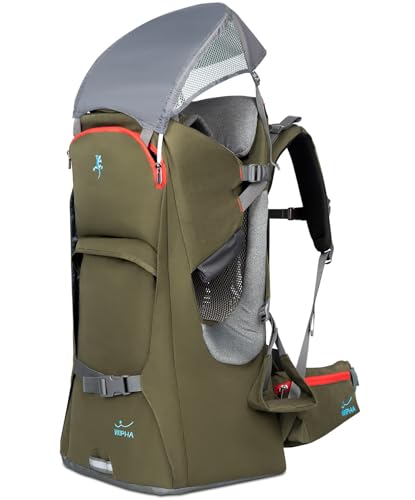
The WIPHA Toddler Hiking Backpack Carrier fills an important gap as a budget-friendly framed carrier. It includes a sunshade, adjustable child seat, padded harness, and hip belt, plus usable storage for snacks and layers.
I see the WIPHA Toddler Hiking Backpack Carrier as a good option for occasional hikers or families who want a structured carrier for one big trip without paying Osprey or Deuter prices.
- More affordable than premium framed carriers
- Includes sunshade and storage for day trips
- Adjustable straps and waist belt for basic support
- Less refined fit and padding than Osprey or Deuter

The Piggyback Rider Scout is not a traditional soft carrier. It works best for confident walkers aged 2 - 4 who just need help for hills, crowds or that last stretch back to the hotel.
The standing bar and safety harness on the Piggyback Rider Scout give kids a fun, elevated view while shifting most of their weight onto your shoulders instead of wrecking your lower back.
For travel, I see the Piggyback Rider Scout as a lightweight backup for city sightseeing and short hikes where a full framed pack would be overkill. It is not hands-free in the same way as a buckle carrier and it requires you to follow the instructions carefully, so I treat it as a specialty option for strong-core parents and adventurous toddlers.
- Ultra compact and lightweight for travel
- Fun, high vantage point for toddlers
- Better weight distribution than a classic shoulder ride
- Learning curve and requires close supervision
- Not suitable for long naps or younger toddlers
- Limited use window compared to full carriers

Types of Toddler Carriers for Travel
There are so many different types, brands and models of toddler carriers available in the market, that picking the right one can be quite the task. With no “one size fits all” approach to this, it depends on us to choose the right type of toddler carrier that will suit your individual needs the best.
Understanding the different types of toddler carriers for travel is the first step to narrowing down your choices:
Wraps
Wraps are the most basic form of carrier, best known for being the most versatile. They’re made from a variety of materials, come in a wide range of styles, and are essentially long pieces of fabric that you tie around your body to secure your toddler safely in place.
I have found that wraps are ideal for carrying your toddler around when you are doing simple chores around the house. Since they are very adaptable, they can be tied around your body in different ways to best suit your preferences, needs and body type.
Getting the hang of the specific tying technique that is most comfortable to you can take some time, but I’ve learned that with practice, it gets easier! Keep in mind that wraps made of sturdier materials like cotton, hemp, wool and linen are best used for carrying toddlers and older kids who weigh more on the back, while stretchy wraps are used for newborns.
Soft Structured Carriers
Soft structured carriers or buckle carriers are carriers that come with padded waistbands and shoulder straps. This type of carrier is easy to use, adjust and can generally be worn in a variety of different ways as well; you can use them on your front, back and even your hip. They are ideal for parents who love spending time in the great outdoors, hiking, camping and doing other active things. (Which is why I loved mine so much!)
Most of the best baby carriers for toddlers allow you to use the same soft structured carrier from infancy right into toddlerhood without any problems. Depending on your child’s weight, upgrading from a baby carrier to a toddler specific carrier may give you both more comfort.
Mei Tai
Mei Tai carriers work great for toddlers, because they are a hybrid type that combines the best features of both the buckle carrier and wrap style carrier. It has two padded shoulder straps, two straps that tie around your waist, and a long piece of fabric that ties around your body. Because it uses ties in the place of buckles, it provides infinite adjustability.
Backpacks
Toddler backpack carriers are great for parents and toddlers who enjoy going on outdoor adventures together. This style of hiking carriers comes with a lot of heavy boning and additional padding to secure your toddler safely in place. However, this additional security tends to add weight to the carrier, resulting in it being heavier than the other types.
They are also only made for carrying toddlers on your back, so if your little one is not comfortable sitting up on their own just yet, this one might not be for you.
Keep in mind that while the best toddler backpack carrier is amazing for hiking, you can also use it for travel! We used our two Deuter backpack carriers extensively for both hiking and travel. We did find them a bit bulky for city sightseeing but flying with a hiking backpack carrier will be worth it if you plan to do a lot of hiking.

Benefits of Using a Toddler Carrier for Travel
I can admit that using a toddler travel stroller definitely has its benefits, but there are also many benefits to using toddler carriers for travel.
1. There may be places that are easier to sightsee around without a stroller, especially if you visit Europe with a toddler.
2. If you enjoy hiking, having a back carrier for toddlers will enable you to go on all your adventures with your kids. Having a proper toddler carrier enables them to walk when they feel like it, and get carried when they don’t.
3. By using a travel carrier for toddlers, you still have free hands to chase your toddler instead of pushing a stroller.
4. Snuggled in close to mom or dad helps some toddlers sleep. You will also be especially grateful when you glance down and see them snoozing, saving you the time and effort you would have otherwise had to spend trying to get them to sleep in an unfamiliar location.

Read More
The bonus sleep you get with a toddler carrier is awesome! Get more of my tips to get your toddler to sleep on vacation.
Picking the Best Toddler Carrier for Travel
Since there are so many options for toddler travel carriers in the market, choosing the best one comes down to your budget, lifestyle, body type, and last but not least, your toddler. I recommend you consider the following factors before deciding which toddler carrier to purchase.
Price
Prices for toddler carriers vary significantly from model to model. Models that come with all the bells and whistles available in the market can easily cost you up to $400 or more. Other models with more basic features can cost no more than $50. Just make sure that price isn’t the only factor in your decision. Always remember to verify the carrier’s comfort, safety, and fit before making your purchase.
Weather Suitability
Always consider the weather conditions of your destination when making your toddler carrier purchase. For example, if you are traveling to a warm climate, choose one that’s made of lighter fabric as some others can get a little warm when it’s hot out.

Versatility
Instead of buying a one-size carrier, consider buying a carrier that’s adjustable. Look for an adjustable model so you can make the necessary adjustments as your child grows.

Features to Look for in a Toddler Travel Carrier
Based on my experiences with a variety of toddler travel carriers, here are the top features to consider before buying:
Child Comfort and Safety
Choose a carrier that provides good head and body support for your child. Make sure the leg holes are loose enough for your toddler’s thighs, but not so loose that they feel they might slip through.

Parent Comfort
The carrier you choose should fit your size and body type, and allow you to carry your toddler without strain. Look for one with padded shoulder straps, as they provide a firmness that is both comfortable for the wearer and also sturdy enough to carry the weight of the toddler.
Other things to keep an eye out for are waist belts and sternum straps. These help reduce the pressure on your back by evenly distributing your toddler’s weight across your lumbar region.

Added Extra Features
Some toddler carriers like soft structured carriers and backpacks offer a bunch of extra features like additional storage options, sunshades, rain covers, and toy attachment loops for practical use. While these features can seem cool, not every parent toddler duo needs them, so factor in your exact needs before making your purchase.
Ease of Cleaning
Children can be messy. That’s why it’s best to choose a carrier that is machine-washable. While most carriers available in the market today are machine-washable, some can still only be washed by hand or dry-cleaning, so be sure to double-check!

Security
Pick carriers with fasteners that have complex clasps or buckles, so that it is difficult for your child to undo them. Since the straps and buckles are the primary safety features of a toddler carrier for travel, it’s important to ensure that they are made of the best quality materials.

Toddler Travel Carrier FAQs
How do you carry a 2 year old?
You can continue to carry a 2 year old in much the same way you carried a baby. While most baby carriers will continue to work for toddlers up to 45 lbs, a toddler specific carrier will have a wider seat and longer torso for added comfort for both you and your toddler.
Can you put a 3 year old in a carrier?
You absolutely can put a 3 year old in a carrier. For 3 year olds, a toddler specific carrier or a backpack carrier will be your best options.
What is the best toddler back carrier?
While there are more budget friendly options, the best toddler backpack carrier is either the Osprey Poco Child Carrier or the Deuter Kid Comfort Child Carrier. Both come with a Pro version, the Standard version and a Lite version to suit the needs of parents. The different versions will vary in price, weight and other features.
How is a toddler carrier different from a baby carrier?
Toddler specific carriers are different from baby carriers in that they have a wider seat and longer torso to ensure the added comfort of both toddler and parent.
Do I need a toddler carrier?
Depending on the weight of your toddler, you may start to hit the max weight on your favorite baby carrier. If you want to continue to carry your toddler past 45 lbs, then a toddler carrier is the perfect option. The best toddler carriers have a max weight of 60 lbs.
My Toddler Coloring Book
I’ve created a coloring book to help your toddler become a happy little traveler! My First Flight Coloring Book features 32 fun, easy-to-color illustrations, introducing young children to every step of a travel day—so they know what to expect before they even board the plane. A toddler who understands flying is much more likely to be calm, confident, and cooperative in the air. Get your copy on Amazon today!


Come Join Us!
We love answering questions in our Baby Can Travel Facebook group. Come ask all your baby travel related questions and share advice with other traveling parents!
Found this post useful? Share it with your friends!

This post was written & edited by:

Celine Brewer is the owner of Baby Can Travel. Not only does she have years of experience traveling with babies & toddlers, but she's helped millions of new parents travel with their babies and toddlers for over a decade. In addition to writing on her baby travel blog, she has shared her expertise on traveling with a baby or toddler by contributing to articles about traveling with a baby with the Washington Post, USA Today, the Lonely Planet magazine and Pregnancy & Newborn magazine.
Celine also writes about family travel on the site FamilyCanTravel.com, which she co-owns with her husband. Being from the Canadian Rockies, she shares her passion about her home and travel to Banff National Park and area on their site TravelBanffCanada.com.