
Many parents get nervous about the prospect of flying with a toddler. I can tell you from experience that flying with a toddler can be challenging, but I’ve learned a few tricks along the way to help everyone get through that flight. My go-to strategy for flying with a toddler includes getting them a window seat, some fun toddler airplane activities and a pair of good toddler headphones for plane travel. I have had great success with this winning combination and I hope it will help make your family flight a little easier.
The experience of flying with toddlers is going to be different for every flight, but I’ve learned it’s worth the upfront effort to be prepared. Toddlers can be very busy, fussy and temperamental, so keeping your toddler busy and entertained is the key to success.
Many of these toddler plane activities include the use of headphones, which is why they rank so highly on my list of toddler travel essentials. For example, I often let my toddler watch a Disney movie on an iPad or listen to music, but keep in mind, not any old pair of headphones will work for your toddler.
When buying toddler travel headphones, keep in mind they need to be louder than the ambient noise of the airplane, but not so loud that it will damage their tender little ears.
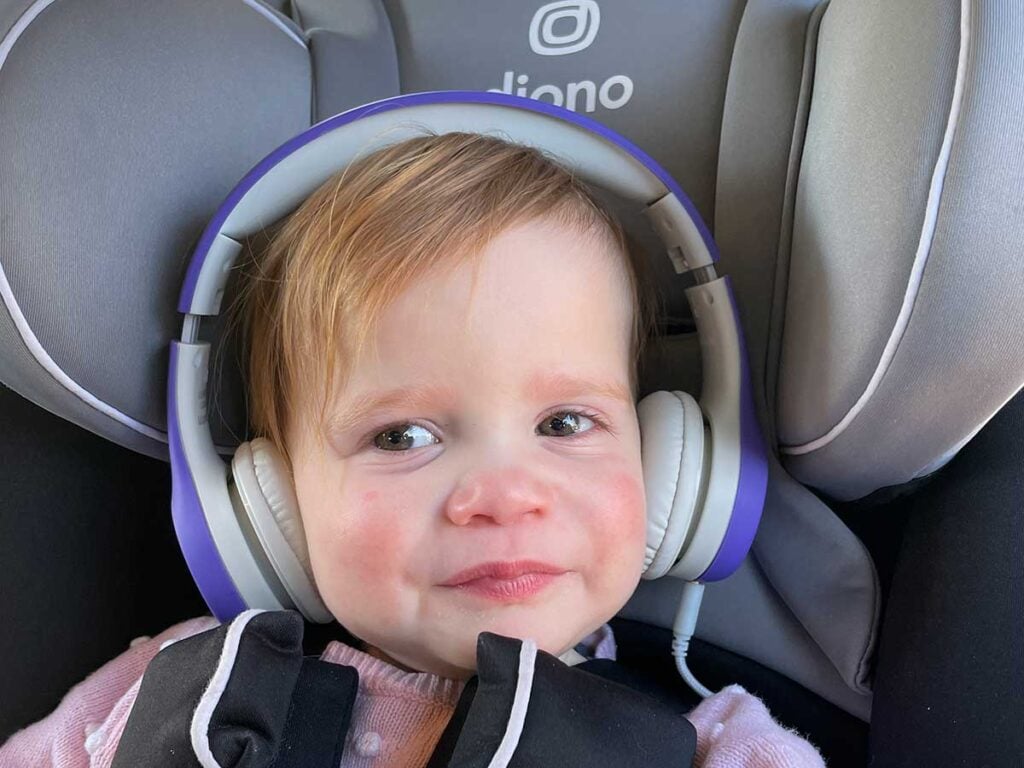
This post contains compensated links.
Best Toddler Headphones for Plane Travel
Here are the best toddler headphones tested and reviewed by myself and real moms on actual trips with their toddlers.

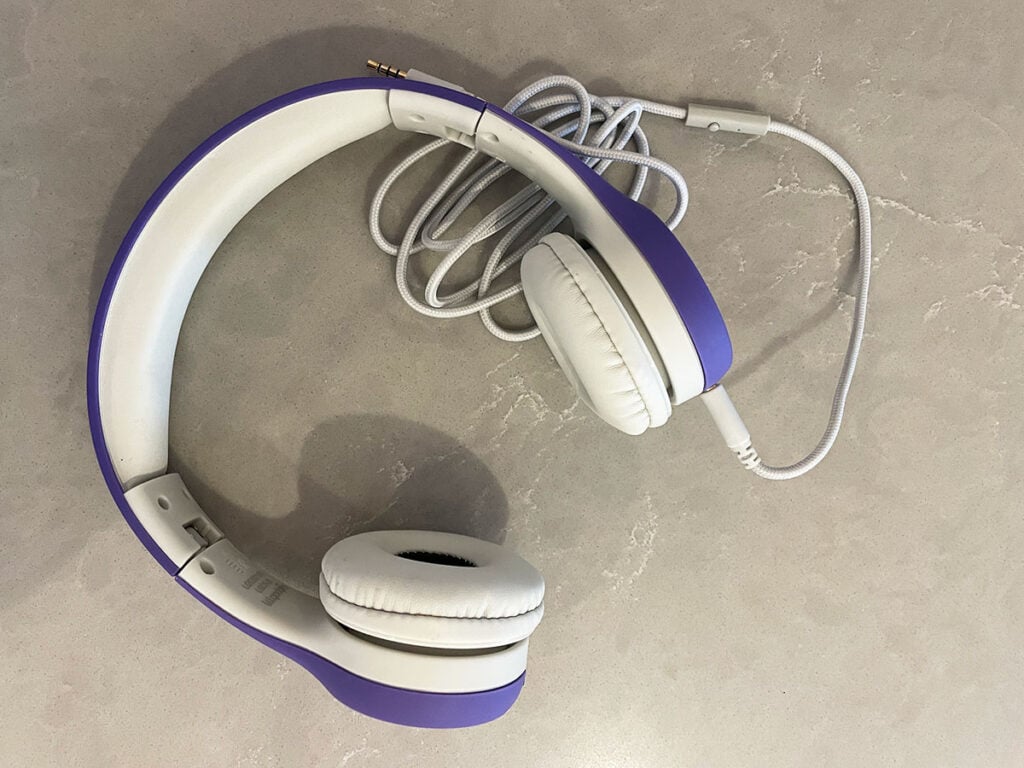
I like the LilGadgets Connect+ for flights with toddlers because they are wired, light, and volume-limited for small ears. The SharePort lets two kids watch the same tablet without a splitter, which solves so many airplane squabbles.
For families looking for the best toddler headphones for the plane the LilGadgets Connect+ checks all the boxes: 85 dB cap, soft ear pads, and a compact fold for travel. Wired headphones are still my first choice under age three since you don’t have to troubleshoot Bluetooth at 30,000 feet.
My two kids have enjoyed these headphones on many family trips. I can easily recommend these toddler headphones for airplanes for your family trip too.
- Reliable wired connection on planes
- SharePort for two kids without a splitter
- SoftTouch padding is comfy for small heads
- Consistent 85 dB volume-limiting
- No wireless option for older kids
- On-ear fit can leak cabin noise

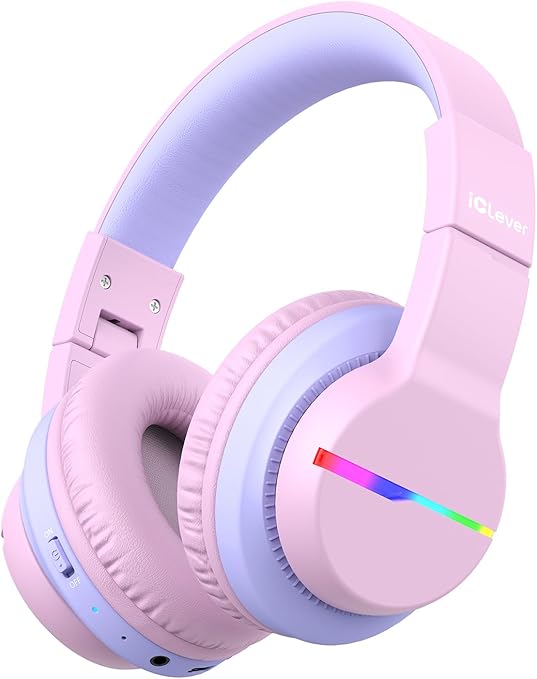
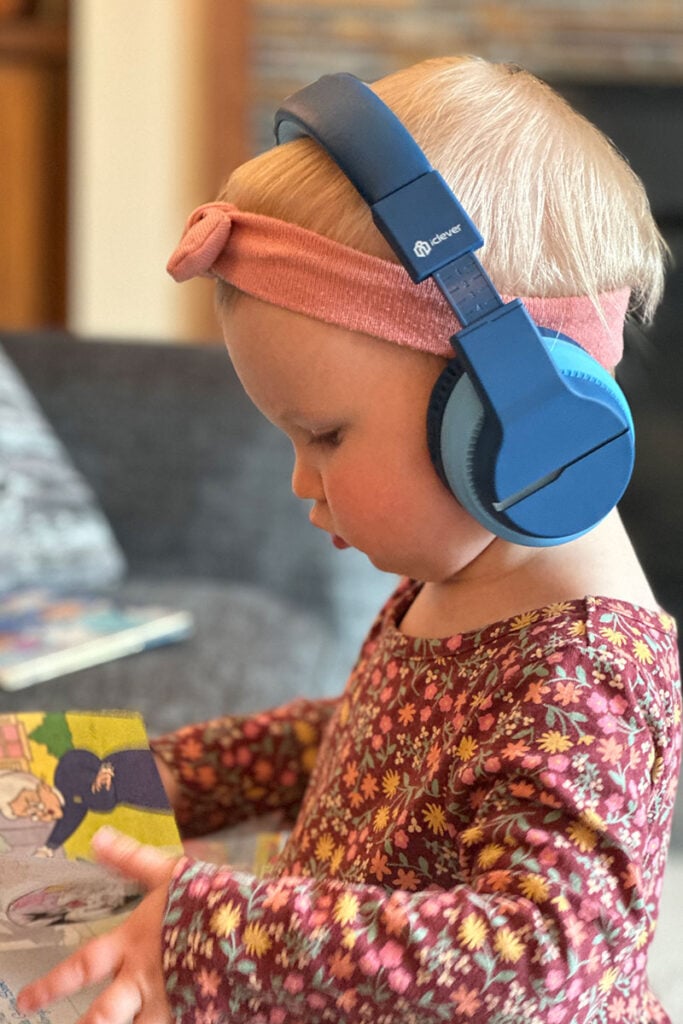
If you prefer wireless headphones for your toddler, the iClever BTH12 gives you a simple safe-volume setup with 74/85 dB options and long battery life, plus an audio cable backup.
I value that they fold into a carry-on pocket and pairs quickly when boarding.
These are excellent toddler headphones for plane rides for parents who want easy controls, soft padding, and predictable 85 dB limits for travel cartoons.
- Selectable safe-volume modes including 74 dB
- Folds small with wired backup for planes
- Comfortable ear pads for long flights
- Simple pairing most tablets recognize
- LEDs can distract if you forget to disable
- On-ear seal is limited in cabin noise

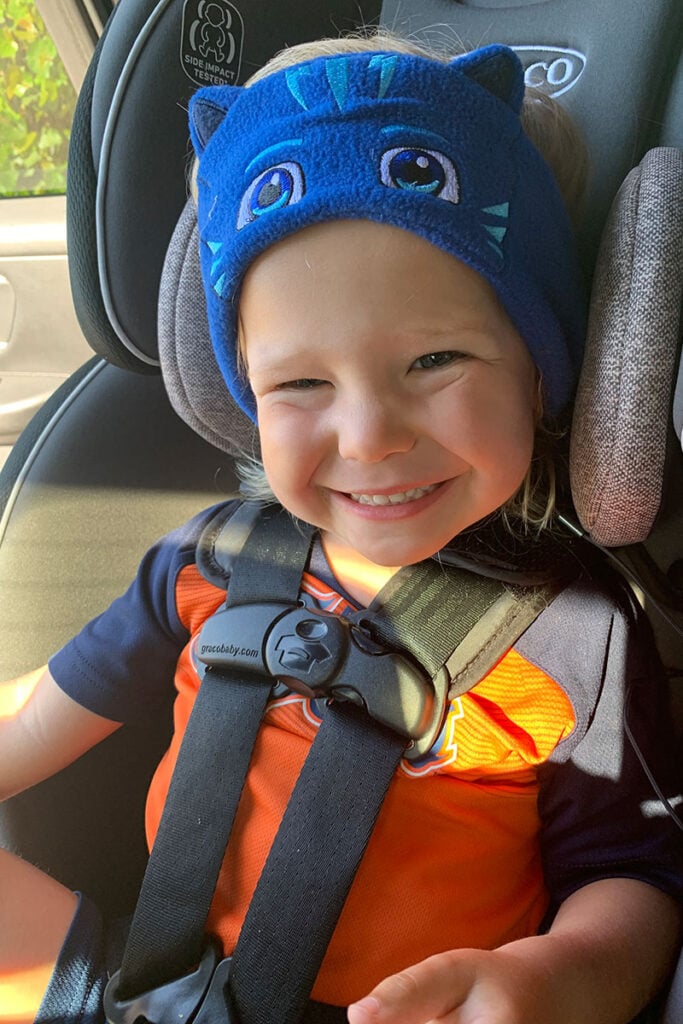
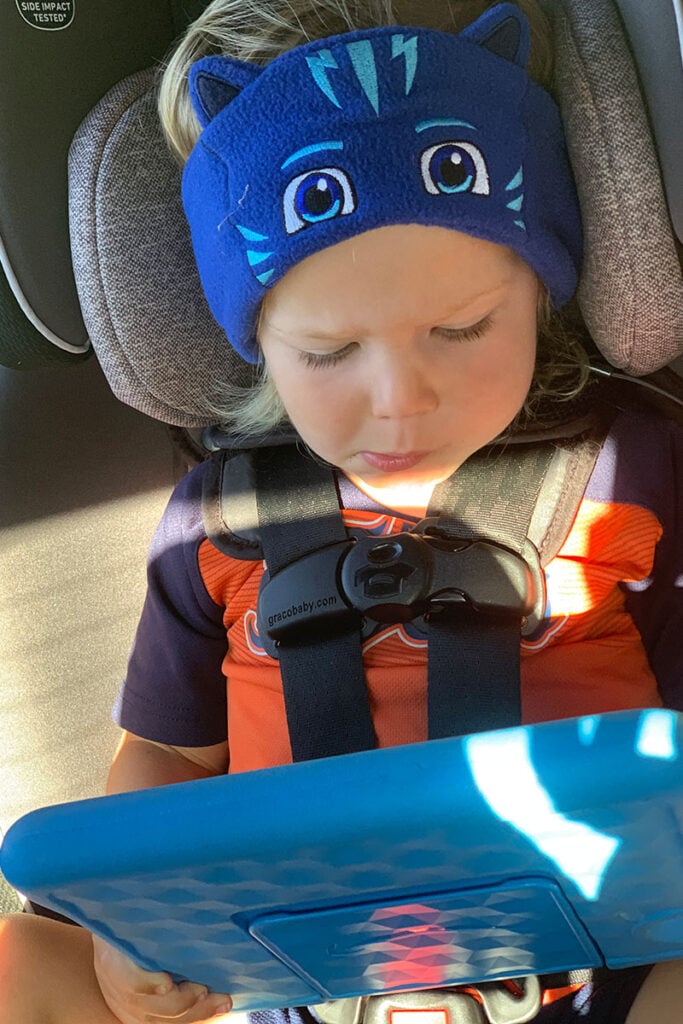
Headband headphones are my go-to when over-ear cups don’t work on tiny heads. CozyPhones place thin speakers inside a soft, washable band with about a 90 dB cap.
For a squirmy toddler on a flight, CozyPhones stay put under a travel pillow and avoids sore ears.
If your child hates “headphones,” this headband is a great choice!
- Stays on small heads that reject cups
- Washable headband with flat speakers
- No Bluetooth troubleshooting mid-flight
- Very compact in a carry-on pocket
- 3.5 mm wired only
- Ambient cabin noise can leak in

When parents ask for the safest premium choice with real sound quality, I point them to Puro’s BT2200-Plus. It limits playback to 85 dB, fits kids comfortably, and includes a cable for airplane screens. For long flights, the tuning and ear-cup comfort help reduce crankiness without blasting volume.
- : True 85 dB cap with premium tuning
- Comfortable for long listening on flights
- Bluetooth and wired cable included
- Trusted brand in kids’ safe-listening
- Pricier than budget models
- Over-ear size may be big on very small toddlers

For flights with mixed ages, the Play+ is brilliant. I appreciate the three SafeAudio settings: 75 dB for toddlers, 85 dB for kids, and 94 dB for noisy environments plus wired backup for seat-back screens. It folds, travels well, and the brand’s documentation is clearer than generic competitors.
- Toddler-friendly 75 dB mode option
- Wired or wireless flexibility for planes
- Folds small with durable build
- Mode switch adds one more step for parents
- Not as plush as premium Puro

One of the most popular choices for my readers, the Snug Play+ is a durable wired pick that daisy-chains for siblings. The 93 dB cap is higher than 85 dB, so I recommend keeping volume low on devices and using guided-access volume limits for toddlers.
- Simple wired setup that “just works”
- SharePort for two kids without splitter
- Folds flat into a daypack
- Lots of kid-pleasing prints
- Listed cap is 93 dB, not 85
- On-ear pads can warm on long flights
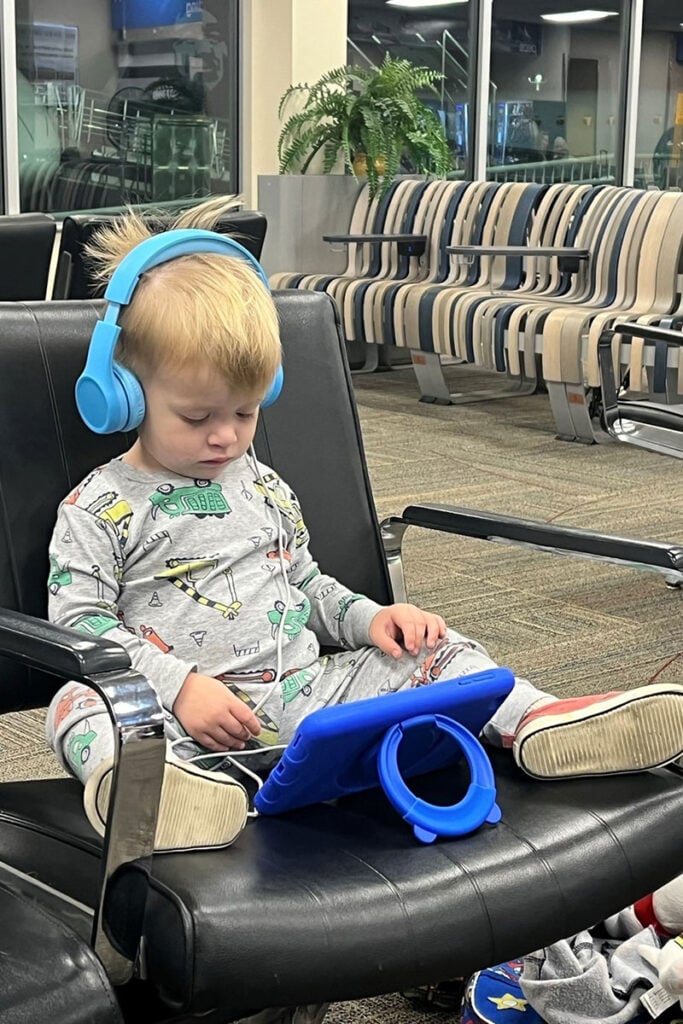
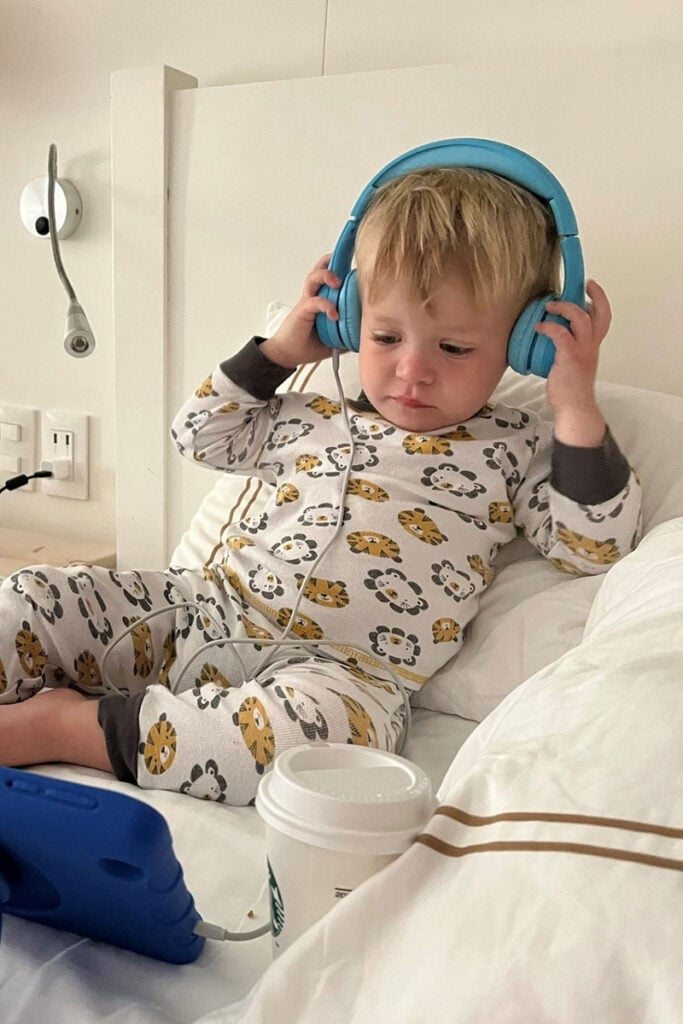

JBL’s kids line keeps volume under 85 dB and gives you a predictable brand experience. For travel, I like the quick recharge and the simpler controls. It is on-ear, so cabin noise will leak, but it’s a solid mid-range choice.
- Reputable brand
- 30-hour battery for long trips
- Kid-friendly buttons
- Under 85 dB
- On-ear fit can leak noise
- No hard case included

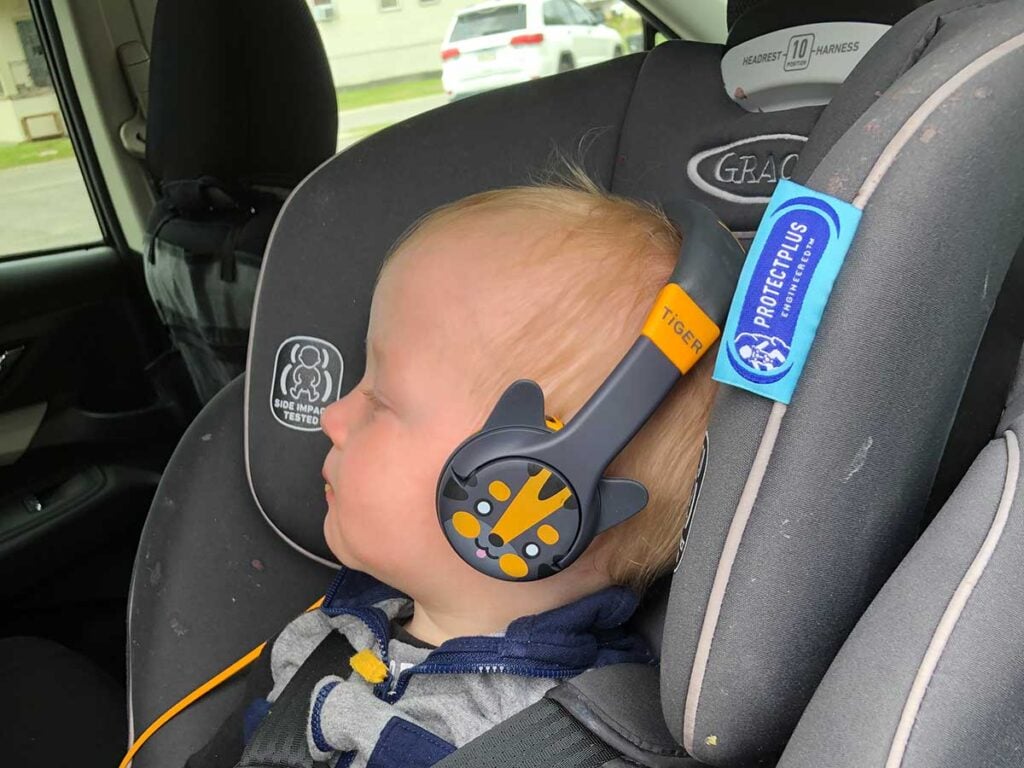
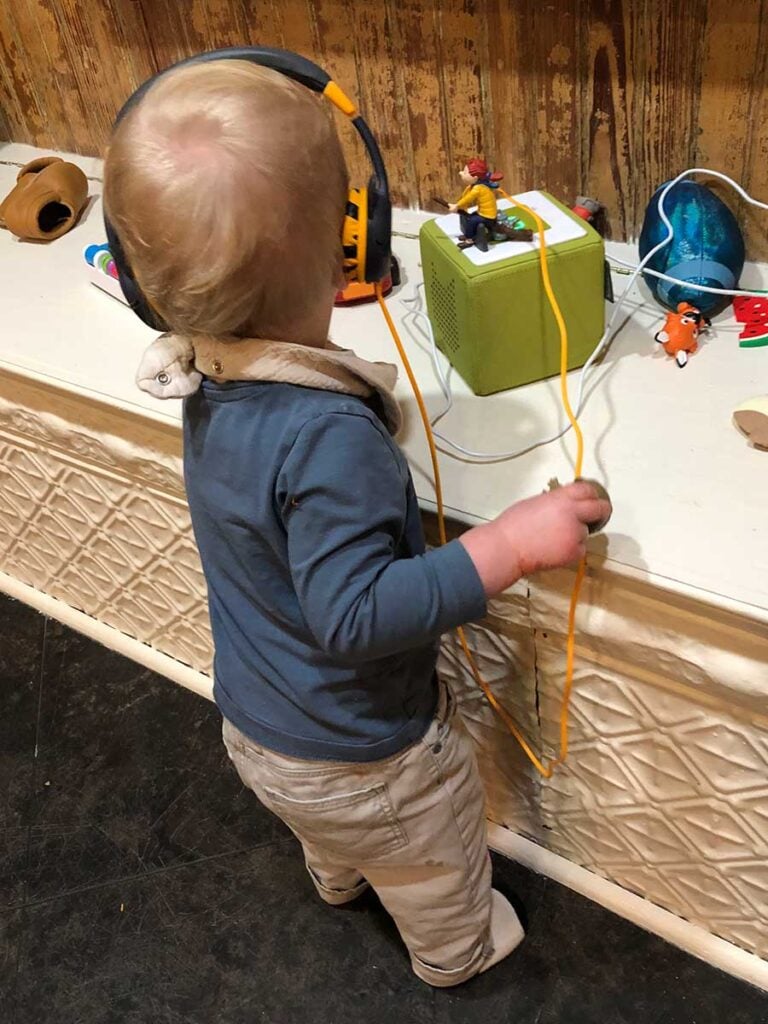
The Tiger-Ear is a fun wired pick sized for small heads - great for when over-ear models feel bulky on a toddler. It includes an 85 dB volume limit, soft on-ear pads, and a flat, tangle-resistant cable that plugs into a tablet or phone with a 3.5 mm jack.
The simple wired setup means no pairing or battery to manage, and the playful design helps little ones keep them on.
- Toddler-friendly fit and styling
- 85 dB limit for little ears
- Tangle-resistant flat cable
- Simple 3.5 mm plug compatibility
- On-ear leak in noisy cabins
- No wireless option
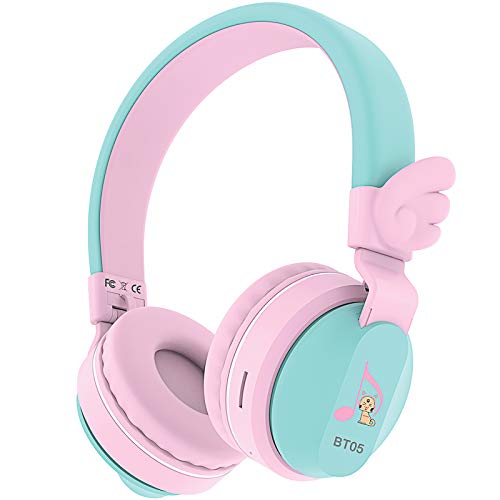
I like the Riwbox toddler headphones for one simple reason - kids actually wear them. The playful wings help with buy-in, while the Child Mode keeps playback limited to about 85 dB. That is important on flights where kids always try to crank the volume.
There is also a Normal Mode for older kids, though I suggest sticking with the lower setting for toddlers and using device volume limits. The headphones fold, pair quickly, and include a cable so you can plug in when you do not want Bluetooth.
- Child mode with reduced loudness
- Lightweight and foldable for travel
- Fun styling many kids will wear
- On-ear seal means more cabin noise
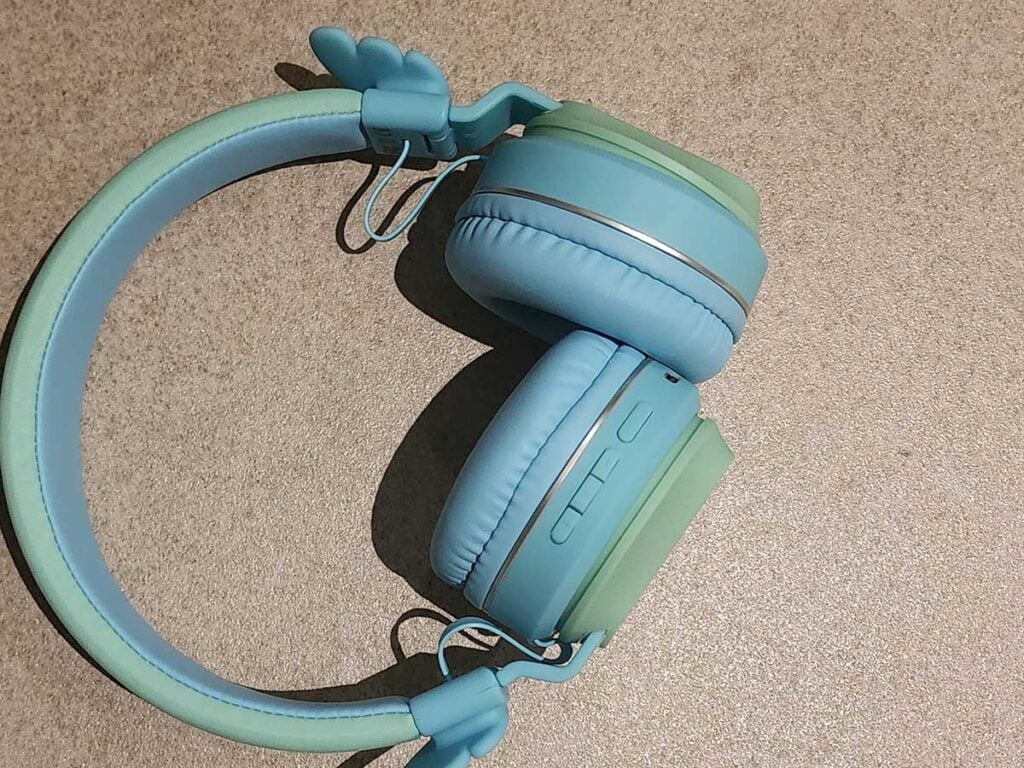
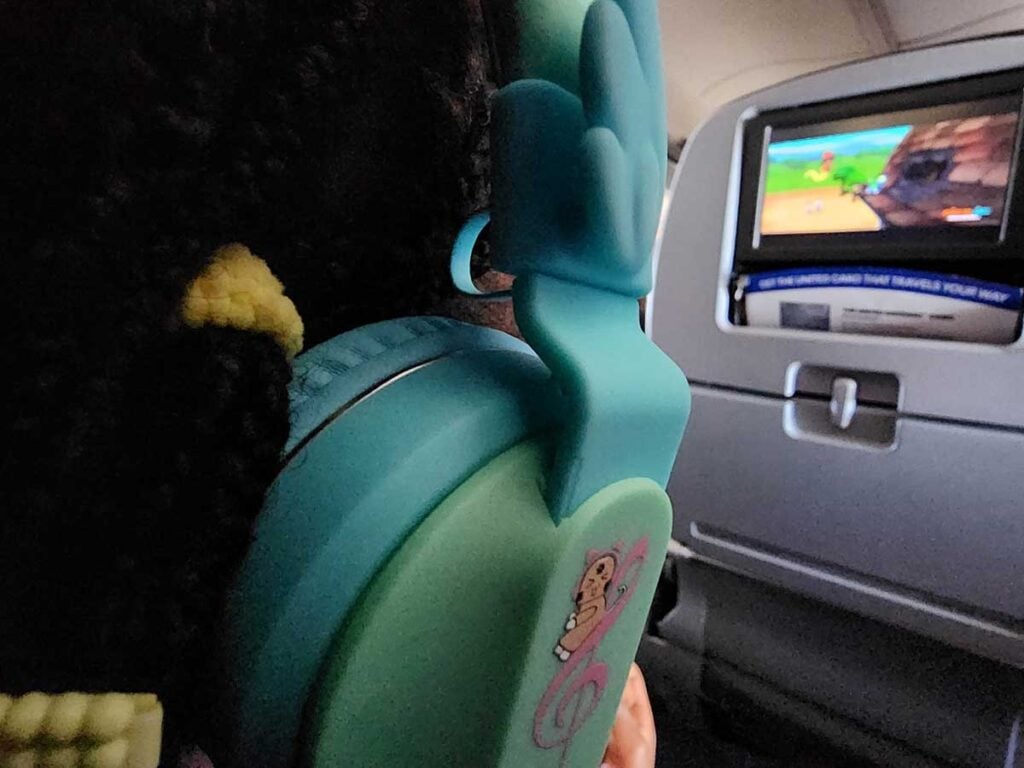

For parents looking for toddler headphones for plane on a budget, I like Mokata because it covers the basics without a lot of fiddling. You get simple Bluetooth pairing plus a 3.5 mm AUX cable for when you prefer a wired connection in flight.
The headset offers selectable listening modes around 85 and 94 dB; for toddlers I suggest using the lower setting and turning on your tablet or phone’s volume limit so you control both device and headphone output. The foldable design packs easily, the ear pads are soft for cartoons and audiobooks, and charging is straightforward.
As with any on-ear style, expect some cabin-noise leak, so plan listening during quieter moments. If you want an affordable wireless pick that still gives you a wired backup for travel days, this is a great choice.
- Affordable wireless with quick pairing
- Wired backup via included AUX cable
- Selectable 85 and 94 dB modes for different environments
- Foldable and light enough for carry-on packing
- On-ear seal does not reduce cabin noise much
BONUS: Two Pack Toddler Headphones

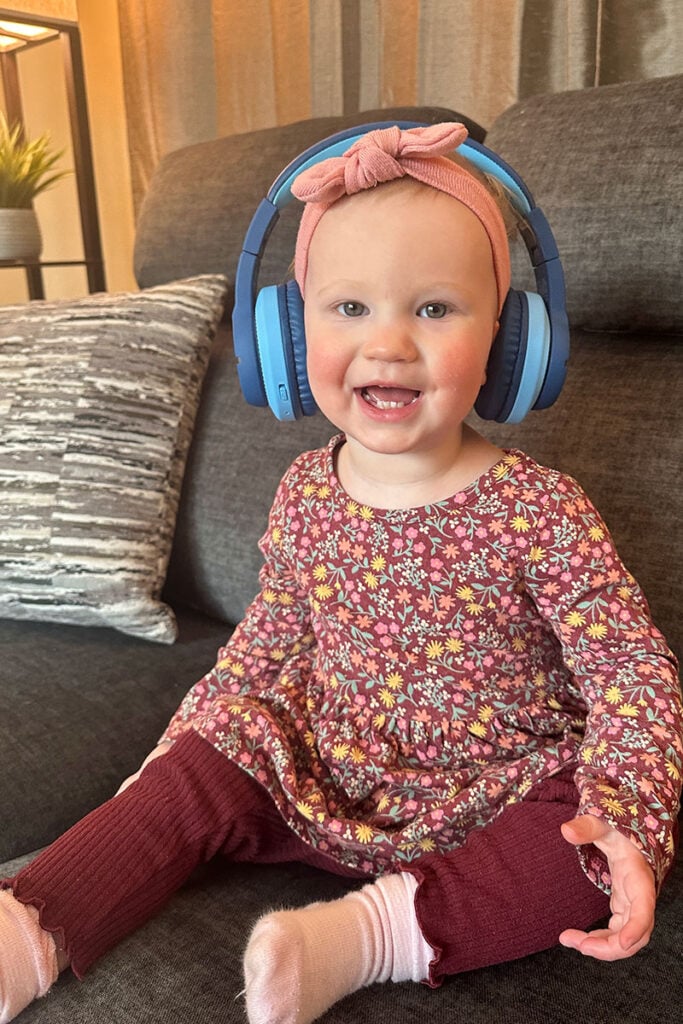
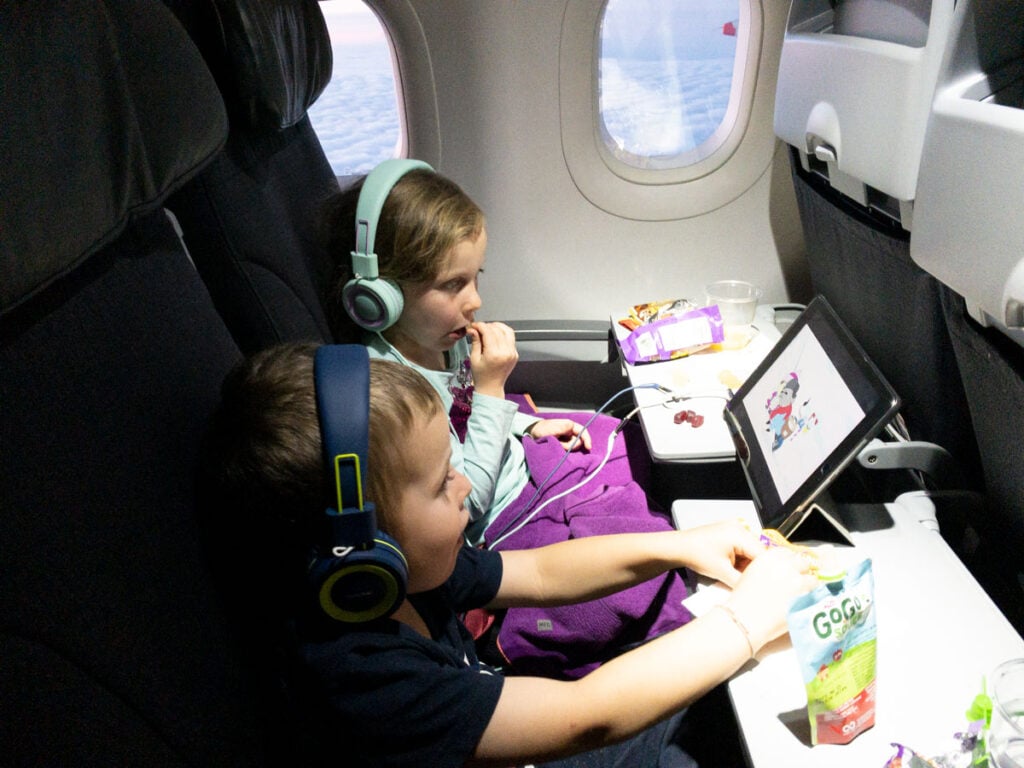
If you have two children to buy headphones for, choose one of these convenient two packs. You can get a two-pack that will be adjustable and expandable so that it will fit your toddler and older child. The ones my kids are using in the picture above are the Mpow headphones available at Walmart.
The very highly rated iClever BTH12 Kids headphones come as a two pack as well, so you get all the same great features like volume limiting, comfortable ear cushions and foldable to easily pack for travel.
Often two-pack toddler headphones will come with a share port too, so you can use one iPad for both kids! This is a nice space saver when it’s time to eat and those small trays don’t have enough room!
How to Choose the Best Headphones for Toddlers
Your top priorities when picking the best headphones for a toddler should be safety and comfort. This means that they must be soft, padded and easily fit over your toddler’s ears. Looking for designs without sharp parts or hinges that can snag onto clothes and hair is also a must.
Most importantly, toddler headphones should never cause any damage to hearing. Noise induced-hearing loss defined by Johns Hopkins occurs when children’s ears are damaged by prolonged exposure to loud sounds. These can come from devices like iPads and tablets, learning devices like laptops, or loud music and TV shows.
Ensuring your toddler headphones have a volume-limit control is a safe way to avoid this. Be sure to always keep a close eye out for the signs of hearing loss in children which might manifest in symptoms listed here.

Once you’ve addressed any safety concerns, find toddler safe headphones that are fun, colorful and vibrant! Vivid shades appeal to kids of all ages and are definitely a way for them to show off their own personal style.
Each child is special, and they each deserve the most unique and best headphones for airplanes available.
8 Most Important Features for Toddler Headphones for Airplanes
So what features should you look for to find the best toddler headphones for air travel?
1. Noise Cancelling
Toddlers are always tempted to crank the volume on their devices to block out external noises, which are common during flights. Noise cancelling and noise limiting features ensures that your child isn’t listening to their devices on the maximum volume to avoid external noises.
2. Compact & Foldable
Compact, foldable headphones that simply slip into a toddler carry-on bag are the best for traveling with other essentials.
3. Share Ports
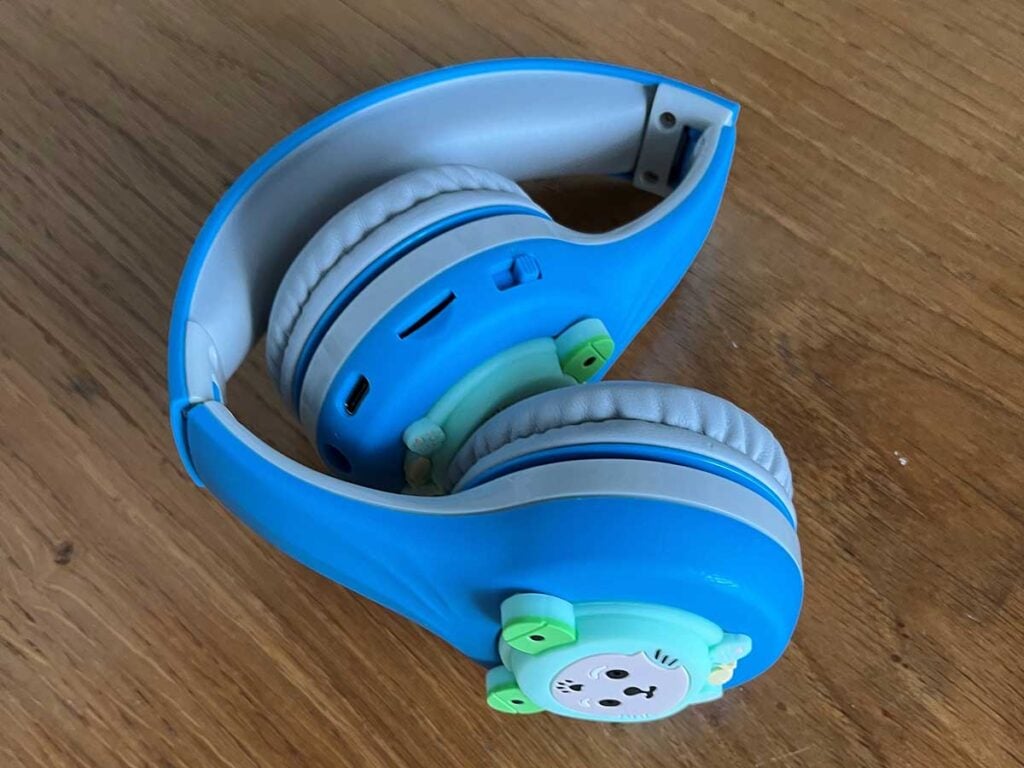
For families with more than one child, share ports that don’t require a splitter are a great way to prevent fights between siblings.
4. Fit of Headphones for Toddlers
Always choose headphones that gently surround your toddler’s ears rather than the unwieldy earbuds which are likely to cause internal damage.
5. Adjustable Sizes
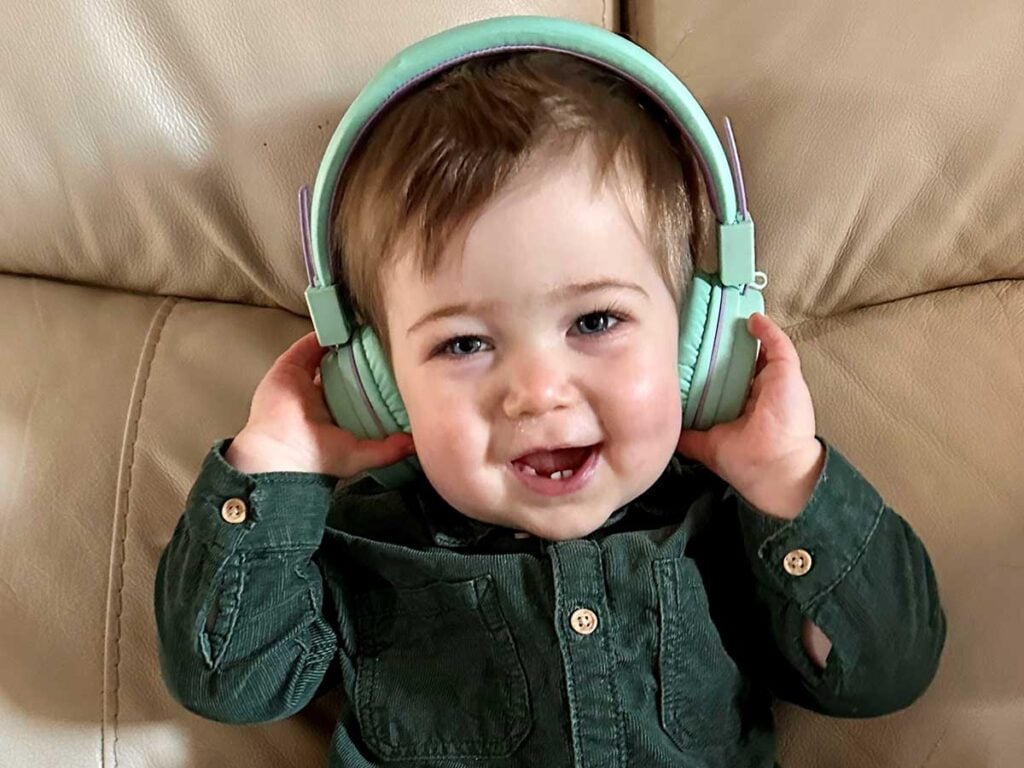
Adjustable sizes so that your growing toddler can wear them for a longer time is a wise investment choice.
6. Wireless
While wired headphones don’t need to be charged and offer sharing options (shareports or splitters), rambunctious tykes might yank, chew or even wrap the cords around themselves.

7. Age of Toddler
The age and temperament of your toddler might help you select the best kind of headphones for them. The priority should always be comfort, with style choices and colors coming next, to keep those headphones over their ears.
8. Cost of Toddler Headphones
Cost is another factor to consider, so look out for offers like double packs of headphones if you have more than one kid.
Tips for Using Toddler Headphones
There’s nothing worse than buying new toddler essentials that you think are going to make a big difference only to find out your toddler has no interest! Don’t wait until your trip to find that out…
Here are my best tips for getting the most use out of headphones for toddlers.
Disclaimer: every child is different and what works for one toddler may not work for the next. I offer these tips based on what I have done with my kids in hopes that it will help you!

1. Try Toddler Headphones at Home
The first thing to do when your toddler friendly headphones arrive is to try them at home. The best toddler headphones must be comfortable enough for your toddler to wear for small chunks of time.
Make sure you use them on multiple occasions before your flight so your toddler is accustomed to wearing them.
2. Let Your Toddler Choose the Headphones
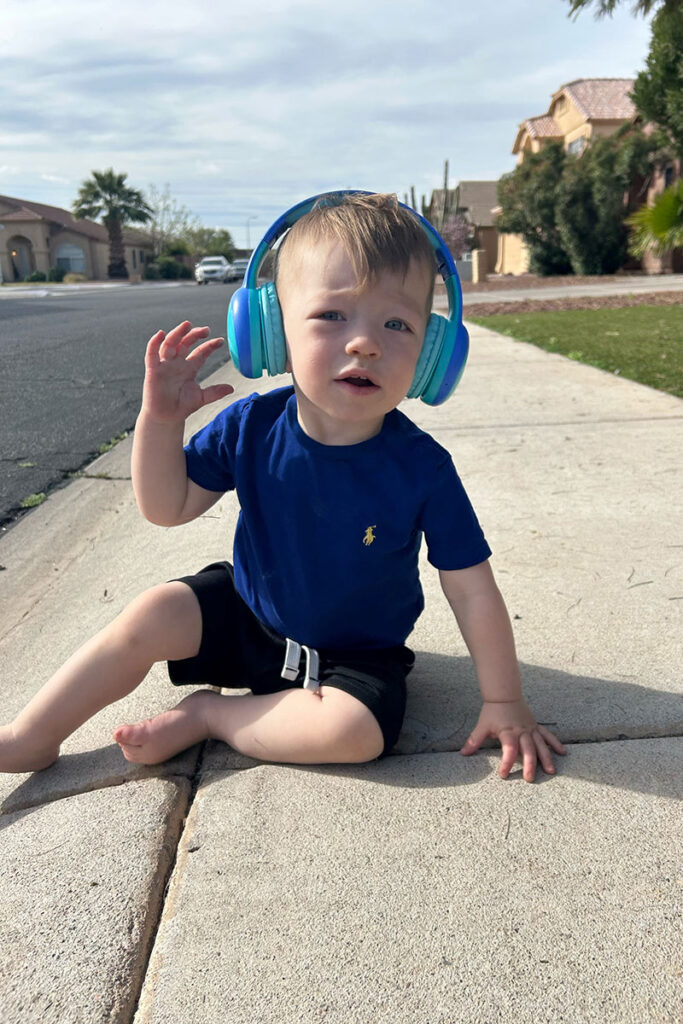
Let your toddler pick their own headphones. Once you’ve narrowed down the choices to your favorite toddler safe headphones, let your toddler make the final decision. Toddler headphones offer many selections on color and style.
If you are wondering how to get your toddler to wear headphones, chances are your toddler will be more interested in the headphones if it’s your toddlers favorite color or animal.
3. Use Your Headphones
If you have a set of adult headphones you use for travel, wear them around the house. Let your toddler see you using them. Toddlers love to imitate adults!
4. Type of Toddler Headphones
Toddler headphones can be wired or wireless. You also have the option of toddler over-ear headphones or a headband style. If the cord is an issue (and you can’t get your toddler to stop playing with it), get a wireless pair of toddler headphones.
Choose a style of headphones that will work best for your family.

5. Plan Ahead for Toddler Sleep
If you are planning on getting your toddler to sleep on the airplane, go for the headband type of toddler headphones.
This style of headphones for toddlers is a lot more comfortable and can be even worn to reduce noise during nap times. Who doesn’t want to do what they can to get toddlers sleeping on flights!
Not to mention, getting some sleep at the right times can help to avoid jet lag in toddlers. If you don’t love the cord on the headband headphones, replace corded ones with toddler Bluetooth headphones.

6. Don’t Stress About the Headphones
After all that research and practice, if your toddler refuses to wear the best toddler headphones you could find, don’t stress! Simply let your children enjoy their devices on extra low volumes.
It’s highly unlikely they’ll disturb anybody, as almost every passenger will have their own headphones on. Let your toddler relax on one of these toddler airplane travel beds while watching a show.

7. Choose the Best Toddler Headphones for Travel
Not all family vacations will involve getting on an airplane with your toddler. Your toddler friendly headphones should work for road trips with toddlers too.
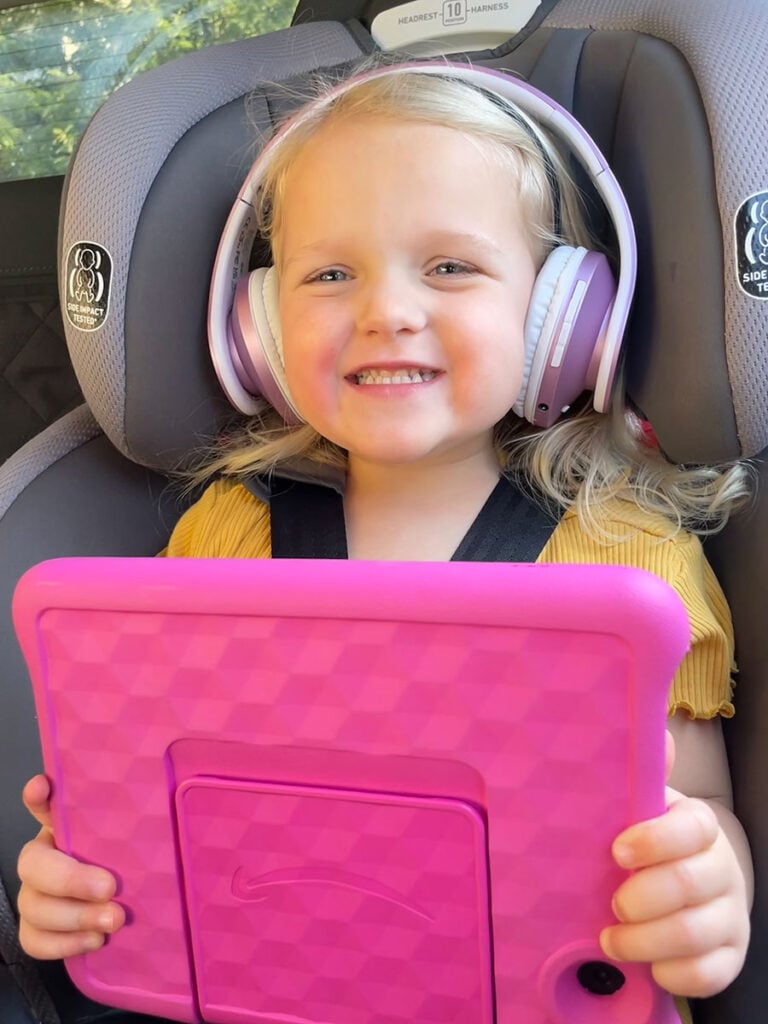
Wireless headphones that use Bluetooth are a great option to avoid your toddler having that cord to play with while in a toddler travel car seat.
Tips to Protect your Toddler’s Ears While Using Headphones
1. Noise Limiting Features
Choose headphones for a toddler that remove ambient noise without the need to keep raising the device volume. This lets kids use them while traveling or playing without any fear of hearing loss.

2. Test Headphones Yourself
Remember that for little ones, loud is always too loud, and that damage from headphones can be permanent if one isn’t too careful. So try the headphones on for yourself to see how loud they actually get. Also check to see if there are any sharp edges that may hurt your toddler.
3. No Access to Volume Levels
Built-in volume limits will stop button-loving little ones from accidentally hurting their eardrums. The American Speech-Language-Hearing Association recommends 75dB as the safe listening volume for toddlers.
4. Have Your Toddler Take Breaks
Encourage taking breaks from the headphones with a range of toddler airplane activities like books, coloring and stickers.
Keep your toddler distracted with screen-free toddler travel toys when it’s time to give their eyes and ears a break. Find even more toddler travel toys in our 1 year old travel toys and 2 year old travel toys.

5. Toddler Over-Ear Headphones over Earbuds
Headphones are more suitable than earbuds for airplane travel or road trips. Earbuds aren’t a good option for toddlers since they don’t fit well and can cause internal damage.

Come Join Us!
We love answering questions in our Baby Can Travel Facebook group. Come ask all your baby travel related questions and share advice with other traveling parents!
My Toddler Coloring Book
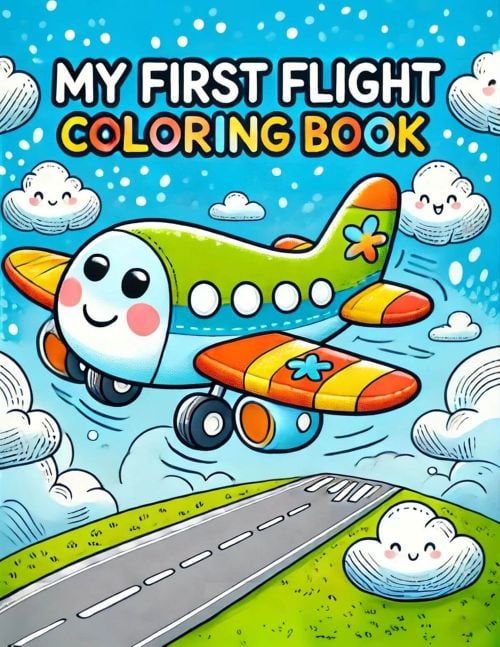
I’ve created a coloring book to help your toddler become a happy little traveler! My First Flight Coloring Book features 32 fun, easy-to-color illustrations, introducing young children to every step of a travel day—so they know what to expect before they even board the plane. A toddler who understands flying is much more likely to be calm, confident, and cooperative in the air. Get your copy on Amazon today!
Found this post useful? Share it with your friends!

This post was written & edited by:

Celine Brewer is the owner of Baby Can Travel. Not only does she have years of experience traveling with babies & toddlers, but she's helped millions of new parents travel with their babies and toddlers for over a decade. In addition to writing on her baby travel blog, she has shared her expertise on traveling with a baby or toddler by contributing to articles about traveling with a baby with the Washington Post, USA Today, the Lonely Planet magazine and Pregnancy & Newborn magazine.
Celine also writes about family travel on the site FamilyCanTravel.com, which she co-owns with her husband. Being from the Canadian Rockies, she shares her passion about her home and travel to Banff National Park and area on their site TravelBanffCanada.com.